Technical SEO is the foundation of every successful website. You can publish amazing content, design beautiful pages, and create powerful marketing campaigns, but if your website has technical SEO problems, your rankings will suffer.
In 2026, search engines have become smarter than ever. Google now focuses heavily on website speed, mobile experience, structured data, user experience, indexing quality, and security. That’s why every modern website owner must follow a complete Technical SEO Checklist for Modern Websites.
This detailed guide will help you optimize your website step-by-step using modern technical SEO strategies that work today. Whether you run a blog, business website, portfolio, SaaS platform, or eCommerce store, this checklist will improve your search visibility and organic traffic.
What Is Technical SEO?
Technical SEO refers to the process of optimizing your website’s infrastructure so search engines can crawl, index, and rank your pages efficiently.
Unlike on-page SEO, which focuses on content and keywords, technical SEO focuses on:
- Website speed
- Mobile optimization
- Site structure
- Indexing and crawling
- Structured data
- HTTPS security
- Core Web Vitals
- XML sitemaps
- Canonical URLs
- JavaScript rendering
A technically optimized website creates a better experience for both users and search engines.
—
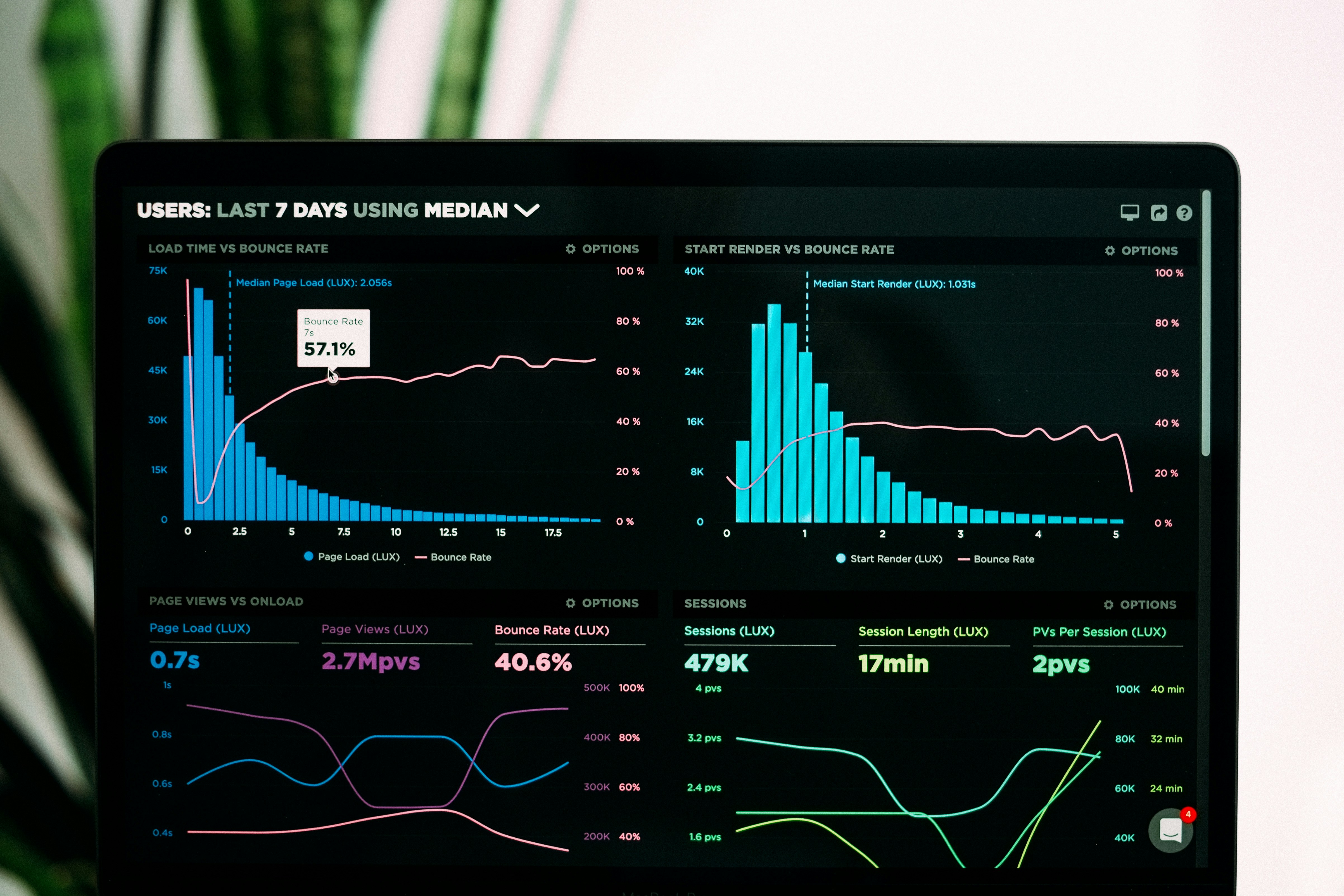
Why Technical SEO Matters in 2026
Search engines now prioritize websites that load fast, work smoothly on mobile devices, and provide a secure browsing experience.
Technical SEO matters because it:
- Improves website rankings
- Enhances user experience
- Increases crawl efficiency
- Reduces indexing issues
- Boosts Core Web Vitals scores
- Improves conversion rates
- Helps pages appear in rich results
- Supports AI-powered search systems
Without proper technical SEO, even high-quality content may never rank well.
Complete Technical SEO Checklist for Modern Websites
1. Use HTTPS Security
HTTPS is now a mandatory ranking factor. Websites without SSL certificates appear unsafe to users and search engines.
Checklist:
- Install SSL certificate
- Redirect HTTP to HTTPS
- Fix mixed content errors
- Update internal links to HTTPS
- Renew SSL certificates regularly
Secure websites improve trust, rankings, and conversions.
—
2. Improve Website Speed

Website speed directly affects SEO and user experience. Slow-loading websites increase bounce rates and lower rankings.
Ways to Improve Website Speed
- Use fast hosting
- Enable browser caching
- Compress images
- Minify CSS and JavaScript
- Use a CDN
- Reduce unused scripts
- Enable GZIP compression
- Optimize fonts
- Lazy load images
Recommended Tools
- Google PageSpeed Insights
- GTmetrix
- Lighthouse
- Pingdom Tools
Fast websites improve both rankings and user satisfaction.
3. Optimize Core Web Vitals
Core Web Vitals are Google’s user experience metrics.
Main Core Web Vitals Metrics
- LCP (Largest Contentful Paint) – loading speed
- INP (Interaction to Next Paint) – responsiveness
- CLS (Cumulative Layout Shift) – visual stability
Optimization Tips
- Reduce render-blocking resources
- Optimize images
- Improve server response time
- Use proper image dimensions
- Avoid layout shifts
- Use modern image formats like WebP
Core Web Vitals are essential for modern SEO performance.
—

4. Make Your Website Mobile-Friendly
Google uses mobile-first indexing, meaning it primarily evaluates the mobile version of your website.
Mobile SEO Checklist
- Use responsive design
- Optimize mobile page speed
- Ensure readable font sizes
- Avoid intrusive popups
- Use touch-friendly buttons
- Test across multiple devices
A mobile-friendly website improves rankings and user engagement.
5. Create an SEO-Friendly Site Structure
A clear site structure helps users and search engines navigate your website efficiently.
Best Practices
- Use logical categories
- Keep URLs clean and short
- Create internal linking structure
- Use breadcrumb navigation
- Avoid orphan pages
Example of Good URL Structure
https://example.com/technical-seo/checklist
Bad URL Example
https://example.com/page?id=2456&cat=seo
Clean architecture improves crawling and indexing.
6. Optimize XML Sitemap

An XML sitemap helps search engines discover your pages faster.
Checklist
- Create XML sitemap
- Submit sitemap to Google Search Console
- Include only indexable pages
- Remove broken URLs
- Update automatically
Modern SEO plugins like Rank Math automatically generate XML sitemaps.
7. Optimize Robots.txt File
The robots.txt file controls search engine crawling behavior.
Best Practices
- Block unnecessary pages
- Allow important content
- Include sitemap URL
- Avoid blocking CSS and JavaScript
Example Robots.txt
User-agent: *
Disallow: /wp-admin/
Allow: /wp-admin/admin-ajax.php

Sitemap: https://example.com/sitemap.xml
8. Fix Crawl Errors
Crawl errors prevent search engines from accessing your pages properly.
Common Crawl Errors
- 404 errors
- 500 server errors
- Redirect loops
- Blocked resources
- DNS issues
How to Fix Them
- Redirect broken URLs
- Repair internal links
- Monitor Search Console reports
- Fix server configuration problems
Regular audits help maintain healthy crawling.
—

9. Implement Schema Markup
Schema markup helps search engines understand your content better.
Benefits of Structured Data
- Rich snippets
- Higher CTR
- Enhanced search appearance
- Improved indexing
Common Schema Types
- Article schema
- FAQ schema
- Product schema
- Review schema
- Organization schema
- Local business schema
Tools for Schema
- Rank Math
- Schema.org
- Google Rich Results Test
Schema markup is essential for modern SEO success.
10. Optimize Internal Linking
Internal linking distributes authority throughout your website.
Best Practices
- Link relevant pages naturally
- Use descriptive anchor text
- Avoid excessive linking
- Link to important pages frequently
Strong internal linking improves crawl depth and rankings.
11. Fix Duplicate Content Issues
Duplicate content confuses search engines and weakens rankings.
Common Causes
- URL parameters
- HTTP vs HTTPS versions
- WWW vs non-WWW versions
- Copied pages
Solutions
- Use canonical tags
- Redirect duplicate URLs
- Consolidate similar pages
- Use unique content
12. Use Canonical Tags Properly
Canonical tags tell search engines which page version is the primary one.
Example
Canonicalization prevents duplicate content issues.
—

13. Optimize JavaScript SEO
Modern websites rely heavily on JavaScript frameworks, but poor implementation can harm SEO.
JavaScript SEO Tips
- Use server-side rendering
- Ensure content is crawlable
- Test rendering with Google tools
- Avoid blocking important scripts
JavaScript optimization is increasingly important for modern websites.
14. Optimize Images for SEO
Image optimization improves speed and search visibility.
Checklist
- Compress images
- Use descriptive filenames
- Add ALT text
- Use WebP format
- Enable lazy loading
Example ALT Text
alt="Technical SEO checklist dashboard"
Optimized images enhance accessibility and SEO.
15. Improve URL Structure
SEO-friendly URLs are easier for users and search engines to understand.
Best Practices
- Keep URLs short
- Include keywords naturally
- Avoid special characters
- Use hyphens instead of underscores
Good Example
example.com/technical-seo-checklist
16. Enable Breadcrumb Navigation
Breadcrumbs improve navigation and help search engines understand website hierarchy.
Example
Home > SEO > Technical SEO > Checklist
Breadcrumbs also improve user experience.
—

17. Use Google Search Console
Google Search Console is essential for technical SEO monitoring.
Use It To:
- Monitor indexing
- Check Core Web Vitals
- Identify crawl errors
- Submit sitemaps
- Analyze search performance
Regular monitoring helps prevent SEO problems.
18. Monitor Indexing Issues
Pages not indexed by Google cannot rank.
Common Indexing Problems
- Noindex tags
- Blocked pages
- Poor internal linking
- Thin content
Solutions
- Use proper index tags
- Improve content quality
- Strengthen internal linking
- Request indexing manually
19. Optimize Pagination
Pagination issues can waste crawl budget.
Best Practices
- Use proper pagination structure
- Maintain internal linking
- Avoid duplicate titles
- Optimize category pages
20. Optimize for AI Search & Voice Search

Modern search engines increasingly use AI systems and voice search technologies.
Optimization Tips
- Use structured data
- Answer questions clearly
- Improve page speed
- Optimize mobile experience
- Use conversational keywords
AI-ready websites have better future SEO potential.
Technical SEO Audit Checklist
| SEO Element | Status Check |
|---|---|
| HTTPS Enabled | ✔ |
| Mobile Friendly | ✔ |
| Fast Loading Speed | ✔ |
| XML Sitemap | ✔ |
| Schema Markup | ✔ |
| Core Web Vitals | ✔ |
| Broken Links Fixed | ✔ |
| SEO-Friendly URLs | ✔ |
| Canonical Tags | ✔ |
| Internal Linking | ✔ |
Best Technical SEO Tools in 2026
- Google Search Console
- Google PageSpeed Insights
- GTmetrix
- Ahrefs Webmaster Tools
- Screaming Frog SEO Spider
- Semrush Site Audit
- Rank Math SEO Plugin
- Lighthouse
These tools help identify and fix technical SEO problems quickly.
—

Common Technical SEO Mistakes to Avoid
- Ignoring mobile optimization
- Using slow hosting
- Blocking important pages
- Not optimizing images
- Broken internal links
- Duplicate content
- Missing schema markup
- Poor site architecture
- Ignoring Core Web Vitals
- Using outdated SEO practices
Avoiding these mistakes can dramatically improve website performance.
Future of Technical SEO
Technical SEO continues evolving with AI, machine learning, and advanced search algorithms.
Future trends include:
- AI-powered search optimization
- Advanced structured data
- Faster web experiences
- Voice search optimization
- Entity-based SEO
- UX-driven ranking systems
Modern websites must adapt continuously to remain competitive.
Conclusion
A strong technical SEO foundation is essential for ranking in modern search engines. By following this complete Technical SEO Checklist for Modern Websites, you can improve crawlability, indexing, user experience, and overall search performance.
Technical SEO is not a one-time task. It requires ongoing monitoring, optimization, and updates to stay aligned with Google’s evolving algorithms.
If you want higher rankings, better traffic, and improved website performance in 2026, technical SEO should become a top priority.
Frequently Asked Questions (FAQs)
What is technical SEO?
Technical SEO involves optimizing website infrastructure so search engines can crawl, index, and rank pages effectively.
Why is technical SEO important?
Technical SEO improves website speed, user experience, indexing, and rankings.
What are Core Web Vitals?
Core Web Vitals are Google metrics that measure loading speed, responsiveness, and visual stability.
How often should I perform a technical SEO audit?
You should perform a technical SEO audit every 3–6 months.
Which tool is best for technical SEO?
Google Search Console, Screaming Frog, and Rank Math are among the best technical SEO tools.
Does website speed affect SEO?
Yes, page speed is a major ranking factor and strongly impacts user experience.
What is schema markup?
Schema markup is structured data that helps search engines understand content better and display rich results.
Final Thoughts
Technical SEO is the backbone of every successful website. With proper optimization, your website becomes faster, smarter, more accessible, and easier for search engines to understand.
Follow this technical SEO checklist consistently to stay ahead in search rankings and deliver an exceptional user experience.


